Business Auto
Commercial Auto Risk Management
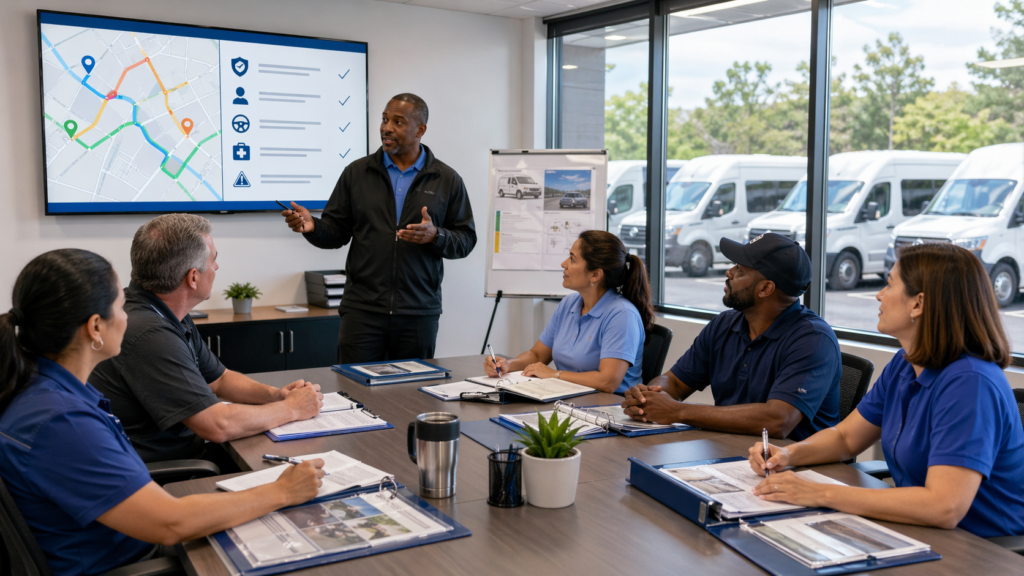
Effective fleet risk management can do more than improve safety. It can help reduce claim frequency, control insurance costs, protect daily operations, and support long-term insurability. For organizations that rely on employees to transport people, equipment, or services, an Auto Safety Program tailored to the organization’s culture, driver responsibilities, fleet exposures, and applicable state requirements can make a meaningful difference in both loss performance and overall business stability. Helping clients build and refine these programs is central to the Pacific Horizon approach.
Driver Training and Evaluation
Well-trained drivers are one of the most important parts of any fleet safety program. Ongoing training, clearly defined expectations, regular performance review, and careful driver oversight can help reduce avoidable losses caused by distracted driving, poor judgment, backing incidents, and other common fleet exposures. Strong driver management also helps organizations reinforce accountability and support safer day-to-day operations.
Fleet Maintenance and Vehicle Safety Checks
Consistent vehicle maintenance and routine safety inspections support operational reliability, reduce downtime, and help prevent mechanical-related incidents. For many fleets, maintenance practices also affect service continuity, driver safety, and the organization’s ability to respond effectively after an accident or roadside event. A well-maintained fleet is an important part of both loss prevention and defensibility.
Telematics and GPS Technology
Modern telematics and GPS systems can help organizations monitor vehicle activity, improve route efficiency, and identify unsafe driving behaviors before they develop into more serious and more costly problems. When used consistently, these tools can support better driver coaching, stronger oversight, and a clearer understanding of how the fleet is performing in real time.
Claims Management and Incident Response
A clearly defined claims reporting process helps organizations respond promptly and more effectively after an accident. Early reporting, accurate information, and better documentation can improve claim handling, reduce confusion, and help protect the organization’s loss history. Strong incident response practices can also help management regain control more quickly when a claim disrupts normal operations.
Regulatory Compliance
Staying current with transportation regulations and safety standards is essential to avoiding unnecessary penalties and maintaining a sound overall operation. Compliance also plays an important role in supporting driver accountability, strengthening internal procedures, and demonstrating to underwriters that the organization is committed to responsible fleet management.
Pacific Horizon works with clients across industries to strengthen commercial auto risk management through practical guidance, closer attention to fleet exposures, and strategies that support safer operations over time. Better managed fleets do more than reduce accidents — they help protect coverage, control long-term costs, and support a more stable insurance future.
Related Insights & News

Why Business Auto Claims Can Quietly Become One of Your Largest Insurance Cost Drivers